


How Long Do Dental Implants Last? A Dentist’s Honest Answer
The real lifespan of dental implants, and what you can do to protect your investment.
Dental implants can last for decades: the titanium post is designed to last the rest of your life, and the crown on top typically lasts 15 to 25 years before it needs replacing. How long yours last depends mostly on daily cleaning, regular checkups and not smoking, and at All On Smile Implant & Cosmetic Dentistry Dr. Ken Ngo shows you how to look after them.
The Titanium Post: Built to Last a Lifetime
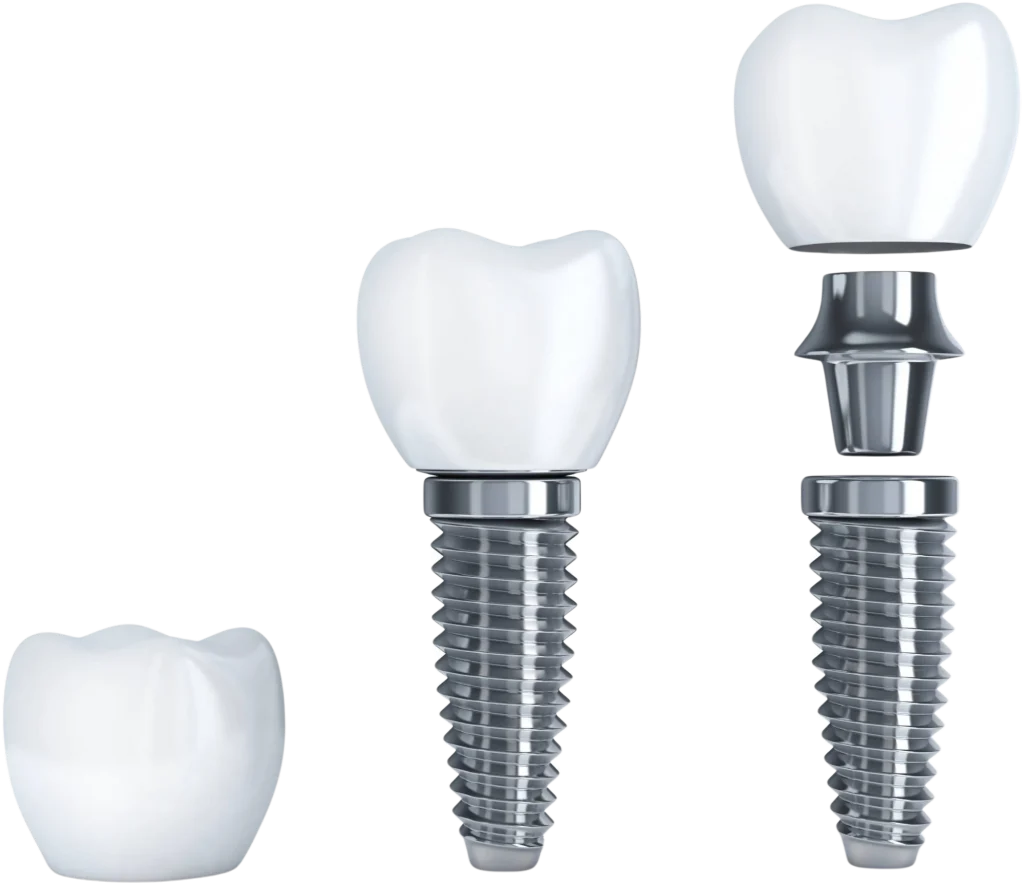
The implant post, the small titanium screw that gets placed into your jawbone, is designed to last the rest of your life. That’s not a sales pitch. It’s backed by decades of clinical research. Titanium is biocompatible, which means your body doesn’t treat it as a foreign object. Instead, your jawbone actually grows around the post and fuses with it through a process called osseointegration. Once that bond is complete (typically 3-6 months after placement), the implant becomes as stable as a natural tooth root.
Studies tracking patients over 20+ years consistently show implant survival rates above 95%. Many of the earliest implant patients from the 1980s still have their original titanium posts functioning perfectly today. That’s 40+ years and counting. No other tooth replacement option comes close to that kind of track record.
The Crown Wears Differently
Here’s where the honest part of the answer comes in. While the titanium post can last forever, the visible part of your implant (the crown, bridge, or prosthetic arch) experiences daily wear from chewing, biting, and the general forces your mouth produces every day. A high-quality porcelain or zirconia crown typically lasts 15 to 25 years before it needs replacement. Some patients get even longer, depending on their habits and how well they care for their teeth.
The good news? Replacing a worn crown is a straightforward, non-surgical procedure. The implant post stays exactly where it is. Your dentist simply removes the old crown and attaches a new one. Think of it like replacing tires on a car. The engine (your implant) keeps running just fine.
What Can Cause an Implant to Fail?
Implant failure is uncommon, less than 5% of cases, but it does happen. Being honest about the risks helps you avoid them. Here are the main factors Dr. Ngo discusses with patients during consultations at our Vancouver, WA office:
- Smoking and tobacco use: This is the single biggest risk factor. Smoking restricts blood flow to the gums and jawbone, which slows healing after surgery and weakens the bone-implant bond over time. Smokers are roughly twice as likely to experience implant failure compared to non-smokers.
- Poor oral hygiene: Implants can’t get cavities, but the gum tissue around them absolutely can become infected. Peri-implantitis, an inflammatory condition similar to gum disease, can destroy the bone supporting your implant if left untreated. Daily brushing and flossing are non-negotiable.
- Teeth grinding (bruxism): Chronic clenching or grinding puts enormous pressure on implants. Over time, this can loosen the implant or crack the crown. If you grind your teeth at night, a custom night guard is a simple and inexpensive solution that protects your investment.
- Uncontrolled medical conditions: Diabetes (when blood sugar isn’t managed), autoimmune disorders, and certain medications that affect bone density can compromise healing and long-term implant stability. These conditions don’t necessarily disqualify you from getting implants, but they need to be managed carefully.
- Insufficient bone density: If the jawbone doesn’t have enough volume or density to support the implant, failure can occur early. This is why Dr. Ngo uses 3D CT imaging during every consultation, to evaluate your bone before recommending treatment.
How to Make Your Implants Last as Long as Possible
The patients who get the longest life out of their implants aren’t doing anything extraordinary. They’re just consistent with the basics:
- Brush twice a day with a soft-bristle toothbrush, paying extra attention to the gum line around your implant
- Floss daily: water flossers work especially well around implant crowns
- Visit your dentist every six months for professional cleanings and checkups
- Don’t smoke or use tobacco products
- Wear a night guard if you clench or grind your teeth
- Avoid using your teeth as tools (opening bottles, tearing packages, chewing ice)
- Tell your dentist about any changes in your health or medications
These habits don’t just protect your implants. They protect your remaining natural teeth, too. Patients across Clark County and the Portland metro area who follow these guidelines routinely see their implants last well beyond the 20-year mark.
Implants vs. Bridges and Dentures: The Longevity Comparison
To put implant longevity in perspective, here’s how the alternatives stack up:
- Dental bridges typically last 7-15 years. They require grinding down the healthy teeth on either side of the gap, which weakens them permanently. When a bridge fails, those supporting teeth often need crowns or implants themselves. Learn more in our detailed comparison: Dental Implants vs. Bridges.
- Traditional dentures last 5-8 years before they need to be replaced or relined. They also accelerate jawbone loss because they sit on top of the gums rather than stimulating the bone the way implant posts do.
- Dental implants preserve your jawbone, don’t damage adjacent teeth, and last decades. Even factoring in a crown replacement at the 15-20 year mark, the total cost of ownership is often lower than the repeated expenses of bridges or dentures over the same timeframe.
When it comes to long-term value, implants aren’t just the better dental option. They’re the better financial decision. Whether you need a single tooth implant or multi-tooth bridge, Dr. Ngo can help you understand the costs, the timelines, and what makes the most sense for your situation.
The Bottom Line
Dental implants are the closest thing to a permanent solution for missing teeth. The titanium post can last a lifetime. The crown will likely need replacement after 15-25 years, but that’s a minor procedure compared to the original placement. The biggest threats to longevity (smoking, poor hygiene, grinding) are all within your control. Take care of your implants the way you’d take care of your natural teeth, and they’ll take care of you for decades to come.
An implant that has healed well can still run into trouble later if the gum and bone around it become infected. Read about peri-implantitis and how to prevent it, including the early signs.
Most of what keeps an implant working happens at home. Our guide on how to clean dental implants walks through the daily routine and the tools that reach where a toothbrush cannot.
Invest in a Smile That Lasts
Schedule your free consultation today. Call (360) 844-2170 or book online.