


Dental Implant Recovery: What to Expect Week by Week
A clear timeline from surgery day through your final restoration
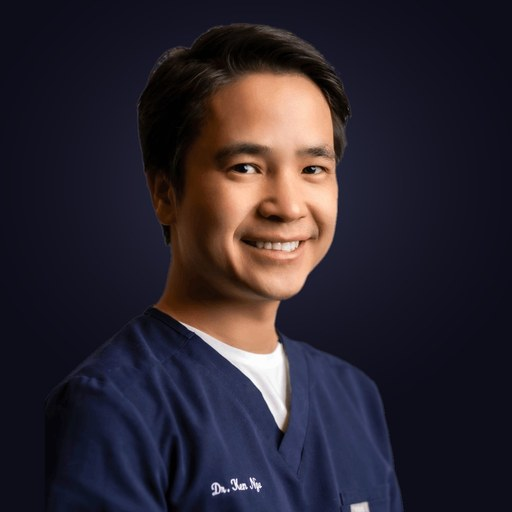
Most people feel like themselves again a few days after dental implant surgery and eat soft food while the area heals. The whole recovery, to your final teeth, takes a few months, while the implant bonds with the bone. At All On Smile Implant & Cosmetic Dentistry in Vancouver, WA, Dr. Ken Ngo, DMD, FICOI, walks every patient through recovery before the procedure; if you’re still researching, this week-by-week guide gives you a realistic picture.
Day of Surgery: What Happens and How You’ll Feel
Most patients are surprised by how smooth implant day goes. If you opt for IV sedation, which is available for All-on-4 and for single implants, you’ll be comfortably sedated throughout. Many patients have no memory of the procedure at all. For single implant placements under local anesthesia, you’ll feel pressure but no pain during the surgery.
After the procedure, expect some numbness for several hours as the anesthesia wears off. Dr. Ngo will provide you with detailed post-op instructions, prescribed pain medication, and an antibiotic if needed. Most patients describe the discomfort as significantly less than they expected, more like a dull ache than sharp pain. You’ll want someone to drive you home, especially if sedation was used.
For All-on-4 patients, here’s a major benefit: you leave the office with a full set of temporary teeth on the same day. You won’t have a gap-toothed period. You walk in with missing or failing teeth and walk out with a complete smile. These temporary teeth are functional and natural-looking while your implants heal underneath.
Days 1–3: The Initial Healing Phase
The first three days are typically when you’ll experience the most discomfort, though “most” is relative. The majority of patients manage well with over-the-counter pain relievers by day two. Swelling is normal and usually peaks around day two or three. Applying ice packs (20 minutes on, 20 minutes off) helps considerably.
During this phase, stick to a soft food diet. Think smoothies, yogurt, scrambled eggs, mashed potatoes, soup (lukewarm, not hot), and protein shakes. Avoid anything crunchy, spicy, or very hot. Stay hydrated, but don’t use a straw. The suction can disturb the surgical site.
Other important guidelines for the first few days:
- Don’t smoke or use tobacco products (this is critical for healing)
- Avoid vigorous exercise for 48–72 hours
- Sleep with your head slightly elevated to reduce swelling
- Rinse gently with warm salt water starting 24 hours after surgery
- Take all prescribed medications as directed
Weeks 1–2: Returning to Normal
By the end of the first week, most patients feel significantly better. Swelling is going down, discomfort is minimal, and many people return to work within three to five days after surgery (some go back even sooner with single implant procedures). You’ll have a follow-up appointment with Dr. Ngo during this period so he can check the surgical site and make sure everything is healing properly.
You can start transitioning from very soft foods to a semi-soft diet: pasta, cooked vegetables, fish, soft bread. Continue to avoid chewing directly on the implant site if you had a single implant placed. All-on-4 patients can eat a wider variety of soft foods since the temporary prosthetic distributes force across the entire arch.
By week two, most of the visible healing is complete. Any sutures that were placed will either dissolve on their own or be removed at your follow-up visit. The gums around the implant site are closing and beginning to look normal again. Most patients at this stage say they almost forget they had surgery.
Months 1–3: Osseointegration Begins
This is the behind-the-scenes phase. On the surface, you feel normal. Underneath, something remarkable is happening: your jawbone is growing directly into the microscopic surface texture of the titanium implant, creating a bond that’s as strong as a natural tooth root. This process, called osseointegration, is what makes dental implants so durable and long-lasting.
During this period, you won’t feel the osseointegration happening. You’ll be eating, talking, and living normally. For single implant patients, a temporary crown or healing cap protects the implant site. For All-on-4 patients, your temporary teeth are fully functional. You’re already eating and smiling with confidence while the implants integrate below the surface.
The main thing to be mindful of during this phase is avoiding excessive force on the implant. Don’t chew ice, open packages with your teeth, or bite into extremely hard foods directly over a healing single implant. Follow Dr. Ngo’s dietary guidelines and attend your scheduled check-ups so he can monitor the integration process.
Months 3–6: Final Restoration
Once osseointegration is confirmed, typically through imaging and clinical evaluation at a follow-up appointment, it’s time for your permanent restoration. For single implant patients, this means your final custom-made porcelain crown is placed on the implant. The process is straightforward and painless, usually completed in one or two visits.
For All-on-4 patients, the temporary prosthetic is replaced with your final permanent set of teeth, crafted from either high-strength acrylic or zirconia. The final prosthetic is custom-designed to match the ideal shape, shade, and alignment for your face. Many patients tell us this is the most exciting appointment, the moment they see their completed, permanent smile for the first time.
After the final restoration, you’re done. Your implants are fully healed, fully loaded, and built to last 20–30+ years with proper care. Maintenance is simple: brush twice a day, floss daily, and see your dentist for regular checkups.
Tips for a Smooth Recovery
Dr. Ngo has seen what separates easy recoveries from hard ones. Here’s what he recommends:
- Follow post-op instructions exactly. They exist for a reason. Every recommendation is based on what produces the best healing outcomes.
- Don’t skip follow-up appointments. These visits allow Dr. Ngo to catch and address any issues early, before they become problems.
- Prioritize nutrition. Your body needs protein, vitamins, and calories to heal. Protein shakes and smoothies with added greens are an easy way to get quality nutrition during the soft-food phase.
- Quit or reduce smoking. Tobacco use is the single biggest controllable risk factor for implant complications. Even cutting back during the healing period helps.
- Be patient with the timeline. Osseointegration takes time and can’t be rushed. The reward is a restoration that lasts decades.
If you have questions about the recovery process or want to discuss your specific situation, Dr. Ngo and the All On Smile team are here to help. Our office at 12503 SE Mill Plain Blvd, Suite 222, Vancouver, WA 98684, welcomes patients from Clark County, Portland, Camas, and the surrounding communities for free consultations with no obligation.
Once you have healed, daily cleaning and regular checkups keep the gum around your implant healthy. See peri-implantitis: signs, causes and how to prevent it for what to watch for in the years ahead.
Once you have healed, the daily routine takes over. Our guide on how to clean dental implants explains what to use and how often to come in for a cleaning.
Questions Before You Start?
Schedule your free consultation today. Call (360) 844-2170 or book online.